Blog ·
Getting Started with Your Solar Panel Journey
Understanding Your Home's Solar Potential
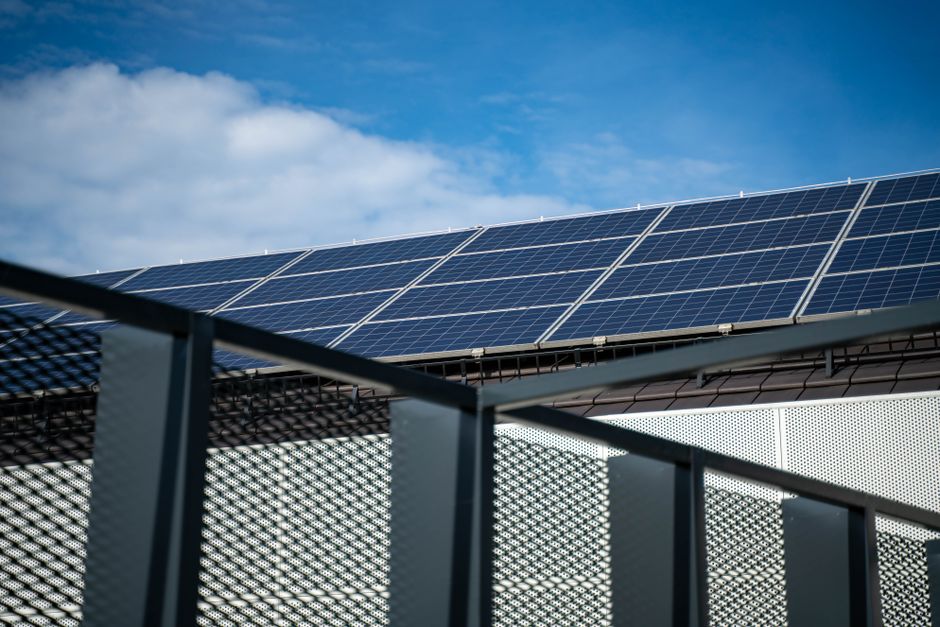
Before installing solar panels, it's important to assess whether your home is a good candidate for solar energy. Start by examining your roof's orientation and angle. South-facing roofs typically capture the most sunlight throughout the day, though east and west-facing roofs can also work effectively. Check for shade patterns across your roof caused by trees, chimneys, or nearby structures, as shading directly impacts energy production.
Your location matters significantly for solar performance. Homes in sunnier climates naturally produce more energy, but solar panels work in most regions. Even areas with frequent cloud cover can benefit from solar technology. Review your current energy bills to understand your household's consumption patterns and identify opportunities to reduce usage before installation.
Preparing for the Installation Process
Once you've determined solar is right for your home, the installation process typically begins with a thorough roof inspection. Our specialists examine your roof's condition, structural integrity, and age. If repairs are needed, addressing them before installation ensures optimal performance and longevity of your system.
Next comes the design phase. We analyze your specific energy needs and roof dimensions to create a customized system. This layout determines how panels will be positioned to maximize sun exposure and energy production throughout the year.
Key Steps During Installation
Professional installation involves several important stages:
- Installing mounting hardware securely onto your roof structure
- Positioning solar panels and connecting them in the optimal configuration
- Installing inverters that convert solar energy into usable electricity
- Setting up electrical connections and safety equipment
- Coordinating with local authorities for required permits and inspections
After Installation: What to Expect
Once your system is active, monitoring your energy production becomes straightforward. Most modern systems include digital monitoring tools that track how much power your panels generate in real time. You'll quickly see the impact on your energy bills as solar production offsets your grid consumption.
Your initial weeks will show seasonal patterns as you learn how weather, time of day, and season affect your system's output. This education helps you understand your energy independence better. Many homeowners find that learning about their solar system's performance becomes an engaging part of home management.
Moving Forward with Confidence
Taking the first step toward solar energy is an investment in your home's future. Understanding these foundational concepts prepares you for the journey ahead and helps you make informed decisions throughout the process. Our team supports you at every stage, ensuring your transition to solar energy is smooth and successful.